Driving Digital Performance for a Digital Media Brand
Headless CMS scales and improves WPWhiteBoard’s content distribution, flexibility, and personalization
Nikhil Gandal
You hired your creative talent to build breakthroughs, disrupt markets, and solve high-stakes brand problems that keep your clients up at night. You wanted the visionaries, the poets of copy, and the architects of design. Yet, if you look at their screens today, you’ll likely find them acting as glorified file managers and data entry clerks.
This "invisible" labor, the endless hunting for the right version of a logo, the manual status updates, the spreadsheet wrestling, is the quietest killer of creative agency culture and profit margins. It’s the "admin sludge" that makes a Monday morning feel like a marathon.
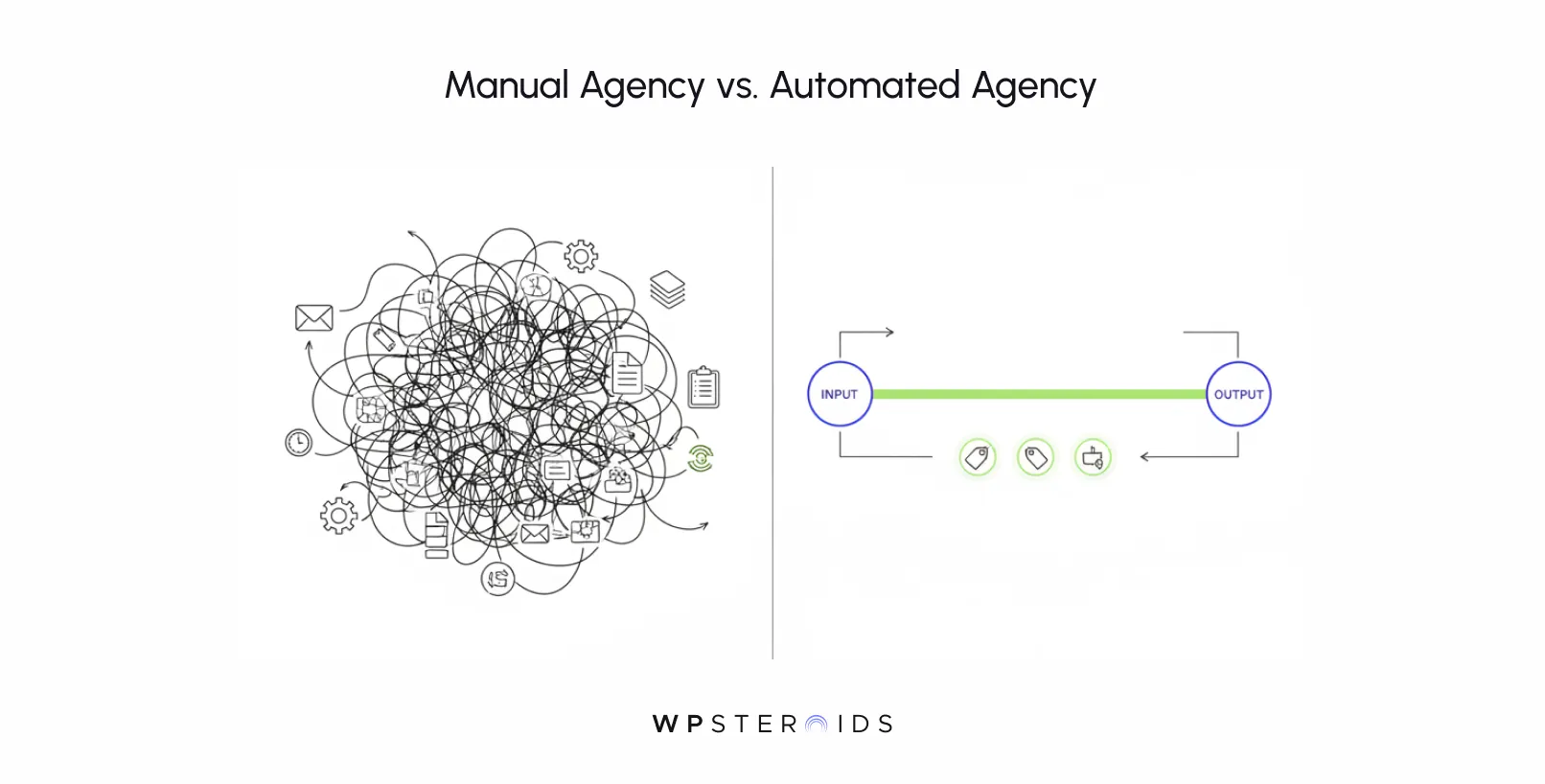
Manual tasks, repetitive, non-billable activities like file renaming, manual status updates, and copy-pasting data, are the leading drivers of burnout in creative agencies in 2026. While often dismissed as "part of the job," these inefficiencies drain human capacity and erode mental health, forcing agencies to trade high-value innovation for low-value administration.
The frustration you or your team feels isn't a lack of discipline or a failure to "grind" hard enough. It is a direct result of the nature of creative work being stifled by rigid, outdated processes. Every time a designer has to stop their flow to manually ping a client for the third time, their human capacity for brilliance shrinks.
When deadlines loom and the "to-do" list grows, the instinctive reaction of many leaders is to call a "huddle" and ask the team to dig deeper. We treat productivity like a sponge; if we just squeeze it harder, more work will come out. But in a creative environment, this approach is not just ineffective; it’s destructive.
The problem isn't a lack of effort. The problem is that your team is running on an inefficient engine that wastes fuel on things that don't matter.
To fix the system, we first have to see the weight. Manual tasks are human-driven, repetitive sequences that require your constant attention.
Think of the "nudge" emails to clients, the manual renaming of "Final_v2_REALFINAL.pdf," or the copy-pasting of project dates from an email into a calendar. These are "low-value" tasks that require "high-touch" effort.
Automated tasks, by contrast, use a trigger-based engine to handle the logistics. When a file is uploaded, the system renames it.
When a project stage hits "Review," the client is automatically notified. The goal isn't to replace the human; it's to remove the "sludge" that prevents the human from doing what they were hired to do.
Why do we still rely on these manual processes? Often, it’s a legacy "control" mindset. There is a certain comfort in seeing a project manager manually move every card on a board; it feels like "work."
Agencies often fall into the trap of equating productivity with activity. We fear the perceived high cost of switching to new systems or the time it takes to set up an automated workflow.
However, we ignore the much larger, hidden cost: the silent attrition of your best people. When you foster a culture of constant manual "busywork," you aren't being thorough; you're being expensive.
It is time for a radical shift in how we view the "tired" creative.
The reason your team is burning out isn't because they can’t handle the pressure of big ideas; it’s because they are being denied the autonomy to execute those ideas.
In the world of high-stakes creative work, time isn't just money—it's the currency of inspiration. When you look at your budget, you see billable hours.
But when your team looks at their day, they see a series of "micro-interruptions" that effectively prevent them from ever doing their best work. This is what we call "admin sludge," and it is the primary reason creative burnout is reaching an all-time high.
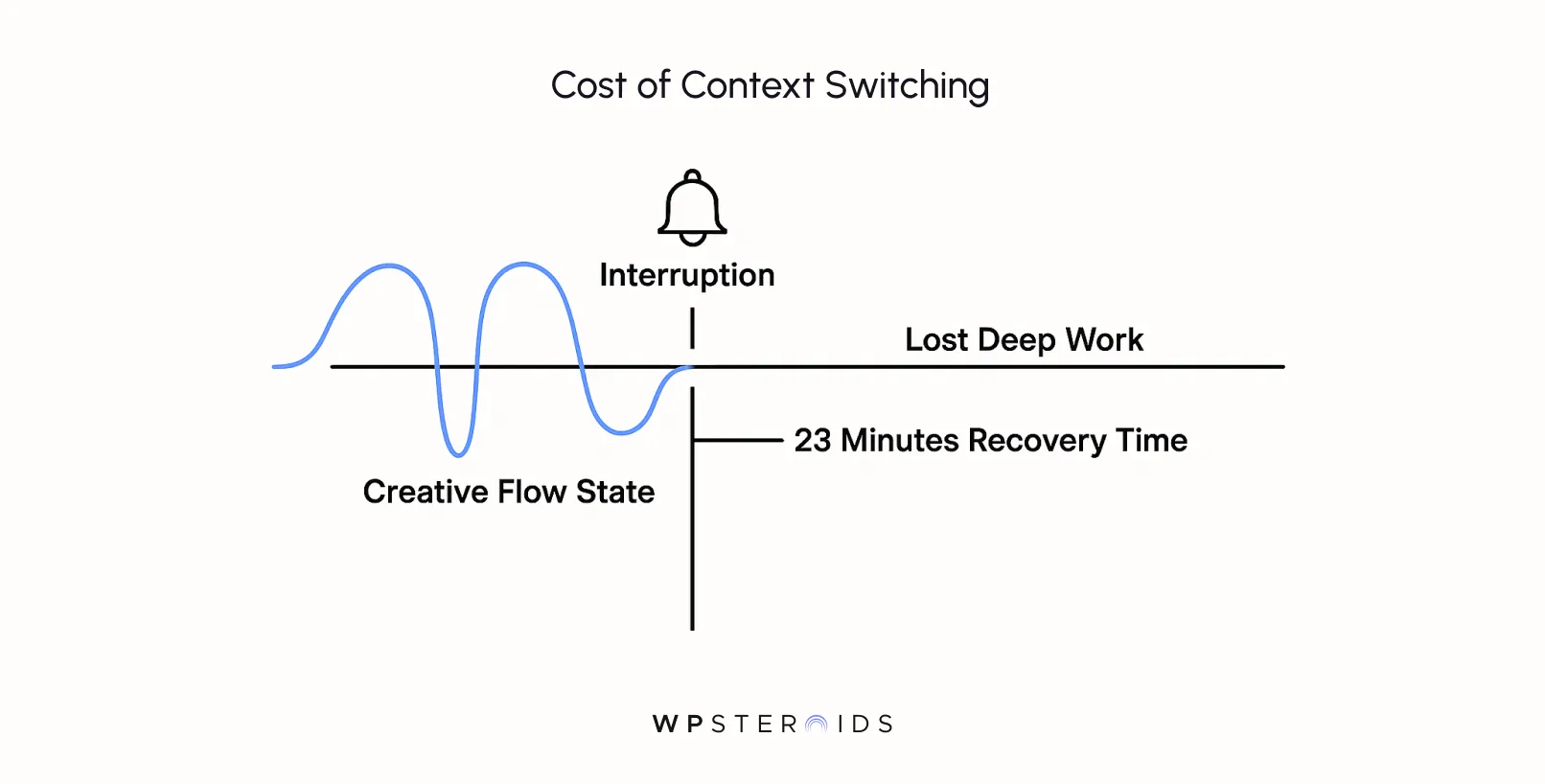
The most damaging part of manual work isn't the five minutes it takes to rename a file or the ten minutes spent chasing an approval. It’s the "context switching" that follows. For a writer or designer to reach a "flow state"—that elusive zone where hours feel like minutes and breakthroughs happen—they need uninterrupted focus.
Every time a manual task breaks that concentration, it takes an average of 23 minutes for the brain to fully refocus. If your team is interrupted four times a morning by manual admin tasks, they have effectively lost their entire morning of deep work.
To understand how this feels for the professionals who are the lifeblood of your agency, consider this:
Imagine a Formula 1 race car, engineered for blistering speed on the track, forced to idle in rush-hour traffic doing errands—its engine overheats, tires wear uselessly, and the driver fumes.
That's your top creative talent stuck in manual admin sludge like file renaming and approval chasing, burning out their high-performance potential instead of delivering breakthroughs.
When you keep a high-performance mind "idling" in the traffic of repetitive administration, you don’t just lose time—you damage the engine.
We are seeing the consequences of this system in real-time. We are no longer talking about "hypothetical" fatigue; the employees are at risk of leaving the industry entirely.
The workload isn't just "too much work"—it’s too much of the wrong kind of work. By automating the mundane, you aren't just saving minutes; you are providing a significant well-being benefit.
You are giving your people back the one thing they need to stay sane and inspired: the freedom to create without being weighed down by the "how" of the process.
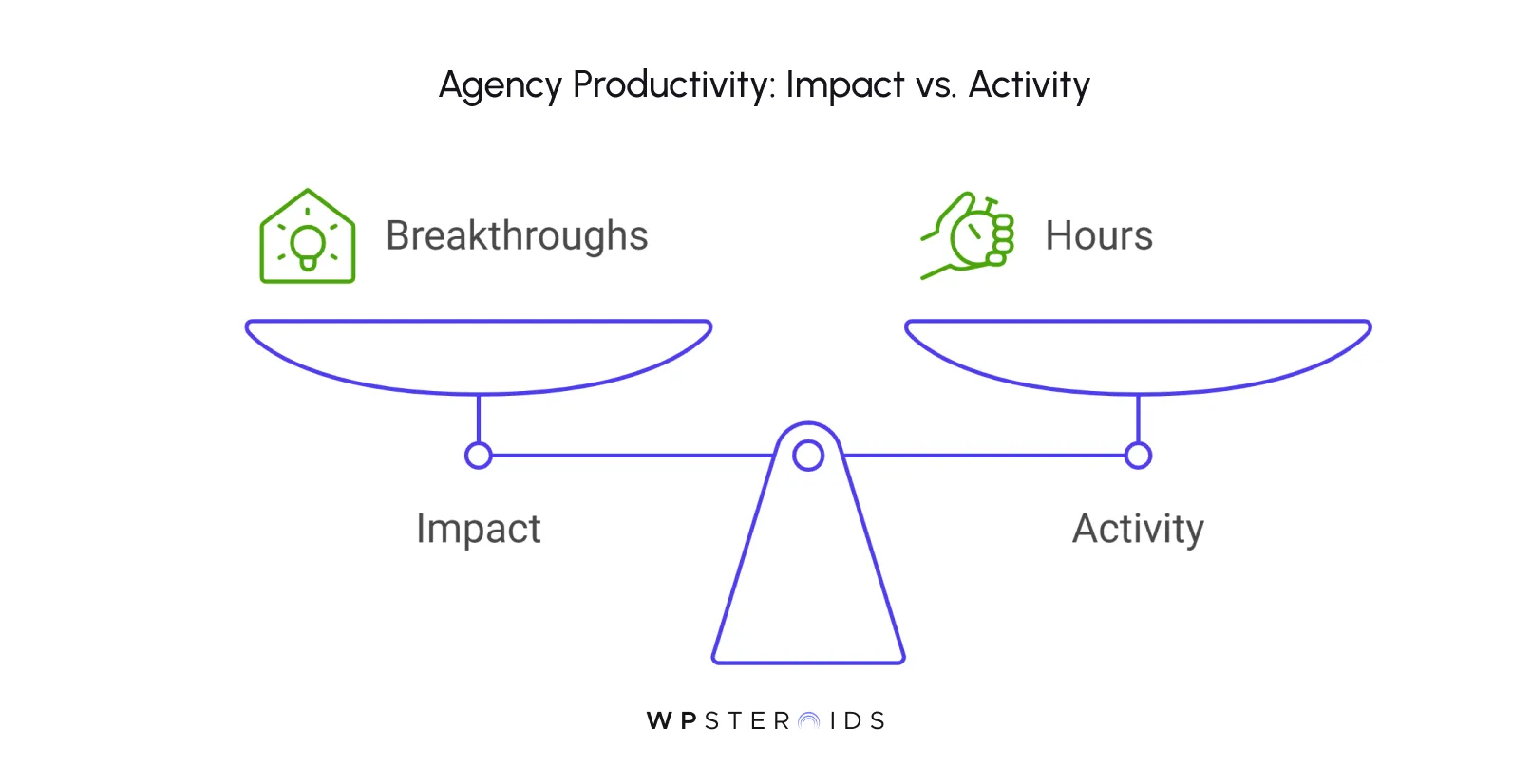
If a designer logs four hours for "Logo Concepting," but two of those hours were actually spent hunting through old email threads for brand guidelines and manually resizing assets for a presentation deck, your data is lying to you. To reclaim your team's focus, you need to change your definition of productivity from "hours spent" to "impact made."
The first step to recovery is a radical, one-week transparency audit. You aren’t looking for who is "slacking off"—you’re looking for the "Dead Air" in your workflow. Dead Air is the friction that exists between the moments of actual creation.
Most creators spend upwards of 30-40% of their time on administrative coordination rather than craft.
Don't overcomplicate this. You don't need a new software suite to find the leaks; you just need your team to be honest about the "sludge" for one week. Ask them to categorize their time using these three lenses:
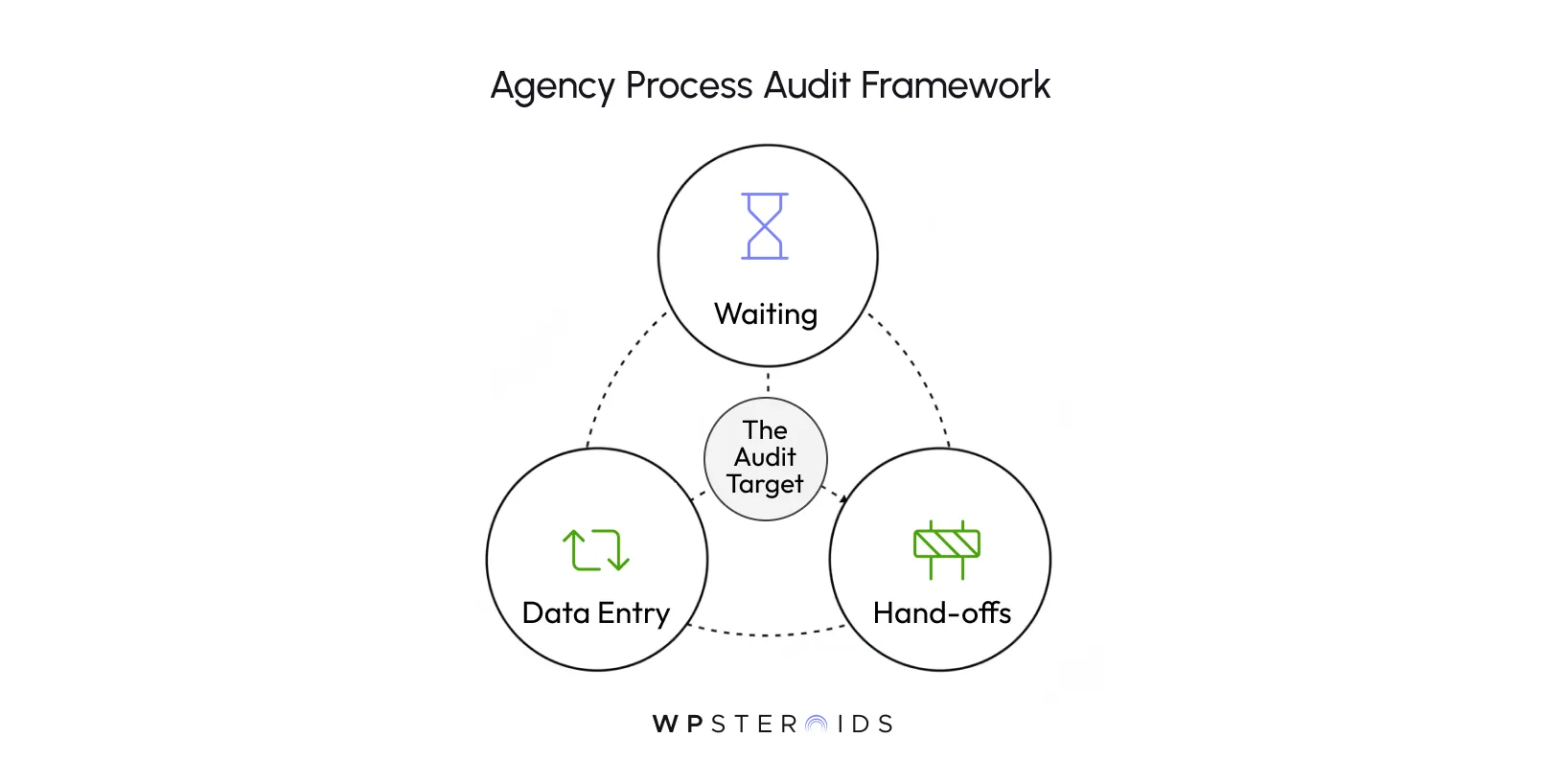
By the end of this week, you won't just have a list of tasks; you’ll have a roadmap for relief. You will see exactly which manual burdens are acting as the primary weights on your team’s heels, allowing you to prioritize your first wins with surgical precision.
Identifying the "sludge" is only half the battle. The real strategic edge comes from deciding what to fix first. Many leaders make the mistake of trying to overhaul their entire operations at once, which ironically leads to more burnout from "new system fatigue."
Instead, use the "Audit-to-Action" framework: prioritize the tasks that could be automated with the lowest effort but the highest emotional payoff for your team. You aren't just looking for efficiency; you are looking for relief.
Here are the five immediate steps you can take to improve productivity without burning out your talent:
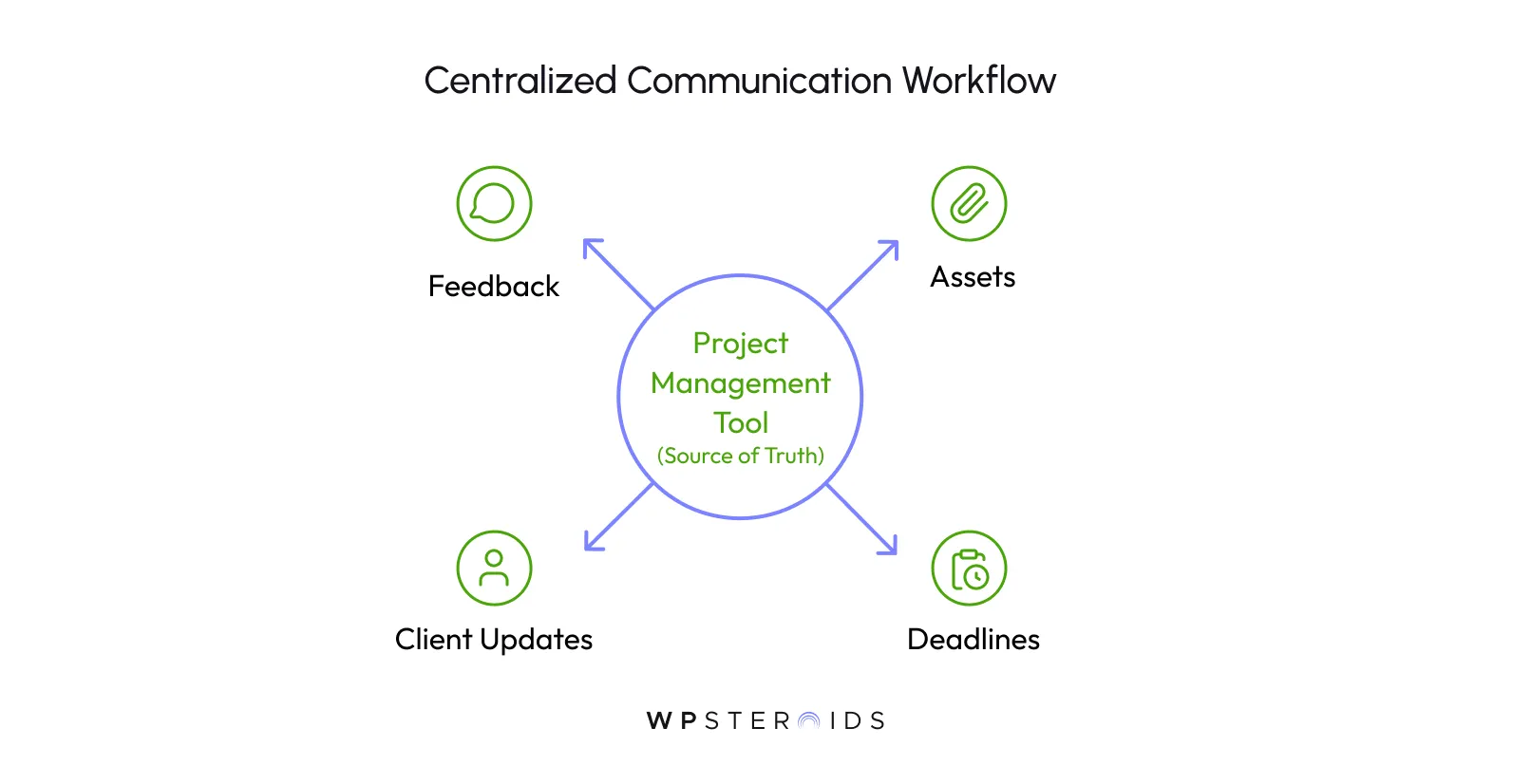
The average creative checks Slack or email every six minutes. This creates a "ping-pong" effect where information is scattered across three different platforms. Stop the madness by decreeing a single source of truth. If it isn't in the project ticket, it doesn't exist. This one move eliminates the manual task of "hunting for feedback" across multiple apps.
Creative work shouldn't mean "starting from zero" every single time. Create robust templates for your most frequent deliverables—whether that’s a pitch deck, a brand audit, or a storyboard. By reducing the "cold start" problem, you allow your team to jump straight into the nuance and strategy, which leads to results delivered faster and better.
By focusing on these five wins, you aren't just checking boxes. You are showing your team that you value their brainpower more than their administrative stamina. This is how you transition from an "always-on" crisis mode to a culture of intentional, high-impact creation.
A common misconception in the agency world is that moving away from manual work requires a massive enterprise budget and a six-month implementation window.
This myth keeps many leaders stuck in a cycle of "admin sludge" because they are waiting for the "perfect time" to invest in complex software.
The reality?
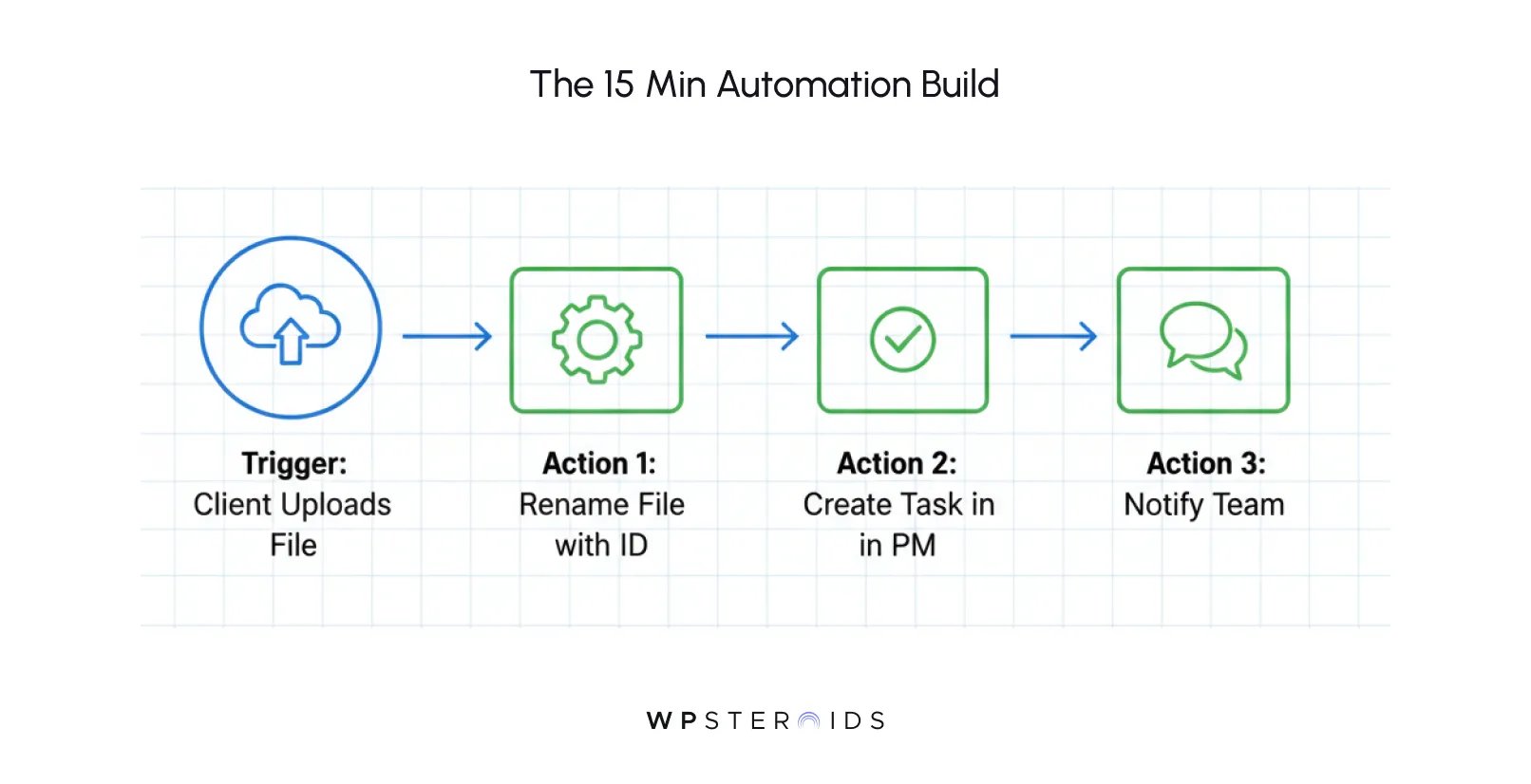
For example, you can set up your first automated workflow in less than 15 minutes:
This simple "ZAP" eliminates three manual steps and ensures nothing falls through the cracks. Once you see it in action, you’ll realize that almost any repetitive sequence of clicks can be automated.
By stacking these small wins, automating five minutes of file management here, ten minutes of client reporting there, a team of five can easily reclaim 10+ hours a week.
That isn’t just a "productivity gain"; it’s two full working days of creative "flow state" handed back to your talent.
Stop looking for the "perfect" all-in-one solution. Start with one small, irritating task that happens every day, and automate it before Friday. Once you feel the relief of one manual task vanishing, you’ll never want to go back to the old way.
As a leader, your hesitation to embrace automation is likely rooted in a healthy respect for the craft. There is a common fear that by "systematizing" a creative agency, you might accidentally sterilize the very magic you’re trying to protect.
You don't want your agency to become a factory; you want it to remain a studio.
However, the real risk isn't automation—it’s the depletion of your team’s focus. When we talk about thinking about maximizing output, we have to distinguish between the art and the logistics.
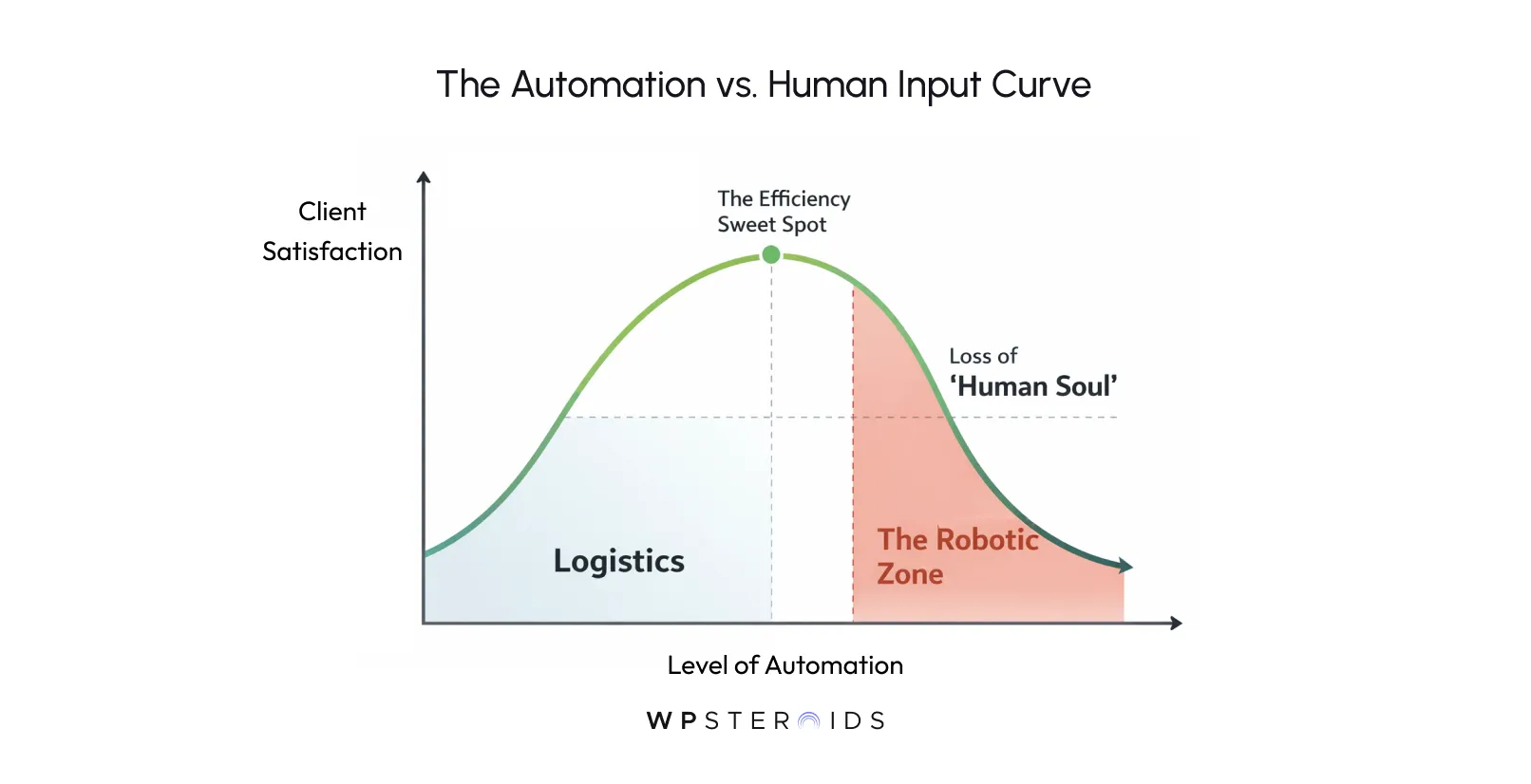
If you use AI to generate every first draft without a human "soul," your work becomes a commodity.
But notice where the most frustrating mistakes happen in your agency today. They rarely happen in the "big idea" phase. They happen in the details. High error rates from manual data entry, missed attachments, and incorrect file versions are almost always the result of human fatigue.
A machine doesn't get "tired" of naming files at 6:00 PM; a creative does. By automating the mechanical, you actually protect the human from the type of errors that cause friction with clients.
To find your strategic edge, you must redefine what it means for your team to be "productive."
True productivity does not mean seeing how many emails a person can send or how many tasks they can "check off" a list. It means creating the maximum amount of psychological "white space" for your team to think.
If a system handles the scheduling, the file routing, and the status reporting, the human is left with the one thing a machine cannot replicate: original, provocative thought.
The goal of a systems-first execution model is to build a fortress around the "flow state." You aren't replacing the artist; you are giving the artist a clean, well-organized studio where they never have to waste twenty minutes looking for a paintbrush.
This balance—where the system handles the mundane so the human can handle the exceptional—is where the modern agency finds its competitive advantage.
We’ve seen that manual tasks are not just a nuisance or a minor annoyance; they are a direct threat to the human capacity that fuels your agency. When your best designers and writers spend half their day on administrative "sludge," they aren't just losing time—they are losing the mental energy required to solve your clients' biggest problems.
To help your creative agency thrive in an increasingly crowded market, you must move beyond the outdated era of "grinding harder."
If you want to truly tackle creative burnout, you have to dismantle the manual obstacles you’ve accidentally built into your own processes over the years. Recently, the strategic edge has shifted away from the agencies with the largest headcounts and toward those with the smartest workflows.
When you redefine productivity as impact—focusing on the quality of breakthroughs rather than the quantity of status updates—you create an environment where top talent actually wants to stay.
The One Thing: Your team is a high-performance engine; stop asking them to tow a trailer full of manual admin tasks. Give them the track they deserve, and they will give you the results you’ve been looking for.
Ready to stop the churn and start the breakthroughs? If you are ready to reclaim your team’s focus and turn your operations into a competitive advantage, book your discovery call today.
Let’s see how a systems-first approach can revitalize your creative culture and get your first hour back by Friday.